DUTY, HONOR, COURAGE, RESILIANCE

           Talking Proud: Service & Sacrifice

‍Orbital Warfare

‍Warfighting in space

‍    

‍Introduction

‍

‍Fighting a war in space has been a topic these days. General Daniel Caine, USAF, CJCS, spoke at the 2026 Air, Space, and Cyber Conference on September 16, 2026,

‍

‍“Adapt right now, so the Joint Force is prepared to fight, endure, and win, in global contested environments, from the seabed to cislunar space.”

‍

‍“Cislunar” means the “three-dimensional volume of space between the Earth and the Moon, including the lunar orbit and the Moon's surface.”

‍

‍I was shocked to learn just days earlier that Secretary of the Air Force  Troy Meink had said on September 14, 2026,

‍

‍“We are increasing readiness against existing threats, and the United States has on-orbit space control weapons capable of defending the Joint Force against hostile adversary action.”

‍

‍I was startled because the Defense Department leadership is usually very secretive about our space-based capabilities. In my day, nearly everything related to our space capabilities was classified as a mega-secret.

‍

‍Apparently, those who pay close attention to issues in space were not surprised. Mary Randolph reported for Scientific American that Doug Loverro, former deputy assistant secretary of defense for space policy, said,

‍

‍“My initial impression was that it was about time to announce it since it was the worst-kept secret in the world.”

‍

‍She also quoted Jonathan McDowell, an astrophysicist, 

‍

‍“It’s not out of nowhere … The U.S. remains the country that is the most dependent on space assets for its operations, and to that extent, it remains the country that has the most to lose from space conflict.”

‍

‍For some time, I have been interested in the US Space Force (USSF) and how it will conduct warfare operations. Every time I look into the USSF, our newest military service, I am amazed by what I learn. 

‍

‍As with all the US military services, the USSF’s mission is to train and equip, or, as it says, “Generate and present combat-ready space forces for employment” to the unified combatant commands, such as US Space Command (USSPACECOM) or US Central Command (CENTCOM), or to other such commands.

‍

‍General Caine discussed this on March 2, 2026, in relation to Operation Epic Fury, the US air attacks against Iran that began in late February 2026. General Caine said,

‍

‍“The first movers were US CYBERCOM and US SPACECOM layering non-kinetic effects, disrupting and degrading and blinding Iran’s ability to see, communicate, and respond.”

‍

‍The USSF’s top military leader is the Chief of Space Operations (CSO), much like the Navy’s top military leader is the Chief of Naval Operations (CNO). 

‍

‍General Douglas A. Schiess, USSF, assumed the CSO role on September 3, 2026.

‍

‍Joseph Trevithick, reporting for TWZ on September 15, 2026, recorded General Schiess telling his audience that a member of the USSF 42nd Electronic Warfare Countermeasures Detachment (42 EWCD) “received a top priority target package with one critical objective: reconfigure her weapon system and execute critical non-kinetic fires.”

‍

‍General Schiess continued,

‍

‍“She locked onto the target, optimized her weapon system, and waged electromagnetic warfare against a determined adversary. Even as ‘Alarm Red’ sirens were blaring, and incoming missiles targeted her site, she courageously held the line, protecting forces, denying adversary capability, and delivering space effects, until her commander had to literally pull her from the console to safety.”

‍

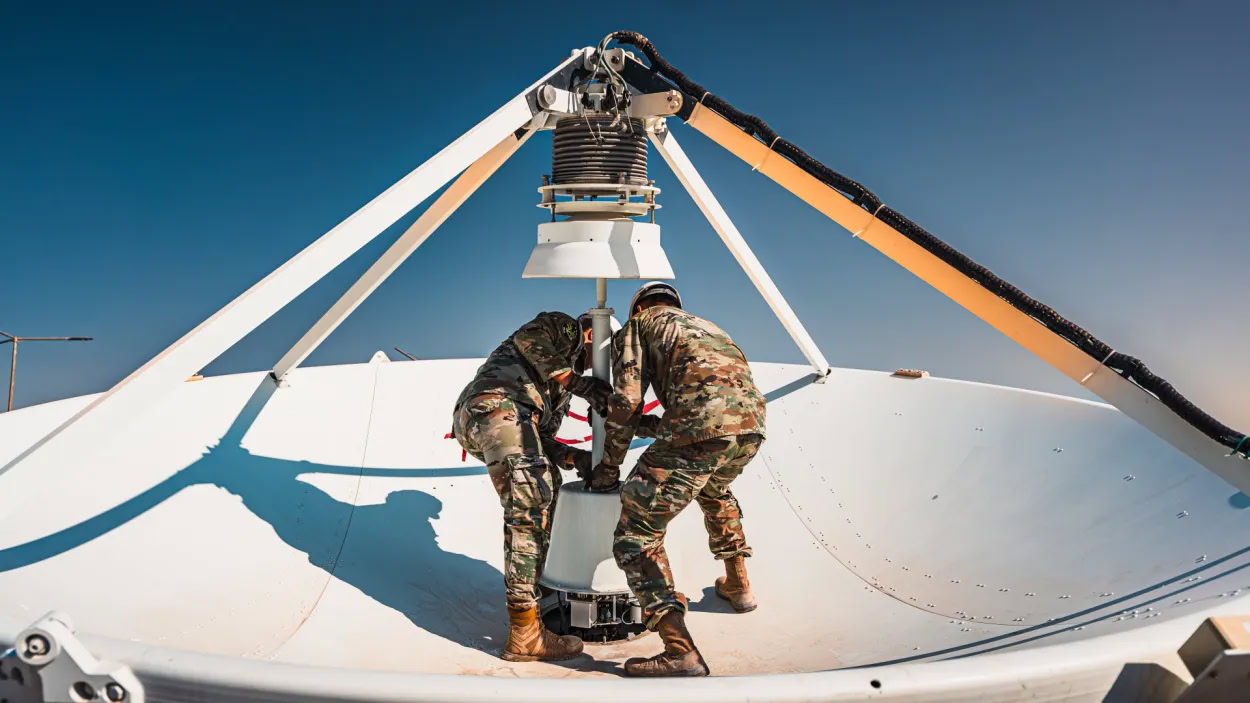
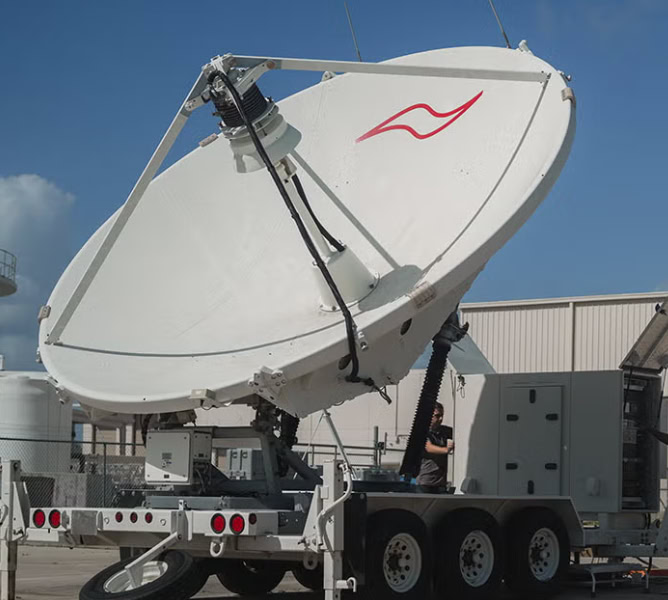
‍It is not yet known which system she used. However, TWZ opined that it had photographs of 42nd people standing with a trailer-mounted antenna in the Mideast associated with the Counter Communications System (CCS), a jamming system. The Meadowlands system, replacing the CCS, achieved operational acceptance in June 2026.

‍

‍USSF has said Meadowlands is “Able to detect, deny, disrupt, and degrade adversary capabilities in active defense of joint force objectives.”

‍

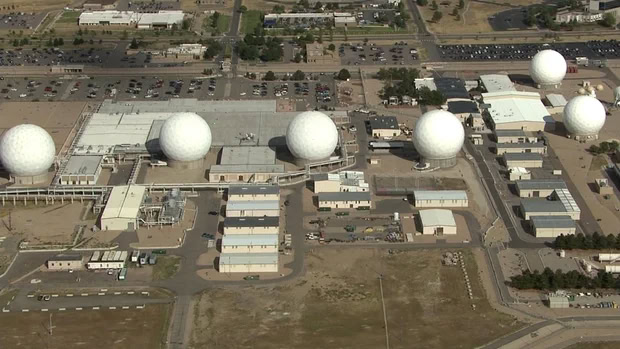
‍The system has been deployed to USSF’s Mission Delta 3 at Peterson SFB in Colorado.  Now is a good time to explain some of the organizational terminology used by the USSF.
‍

‍

‍

‍

‍

‍

‍

‍

‍

‍

‍

‍

Click on photos to zoom

Mission Deltas and Space Deltas


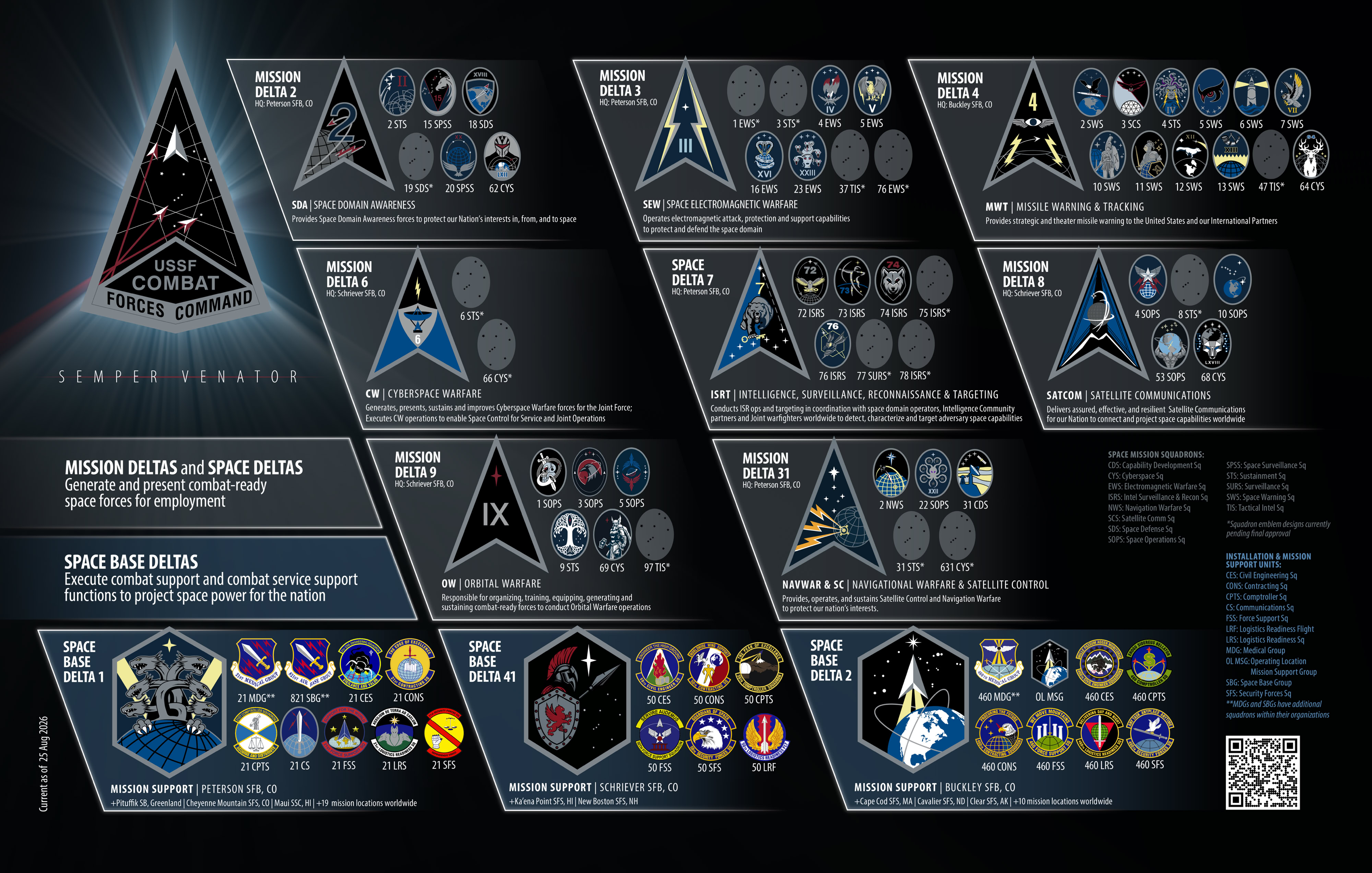
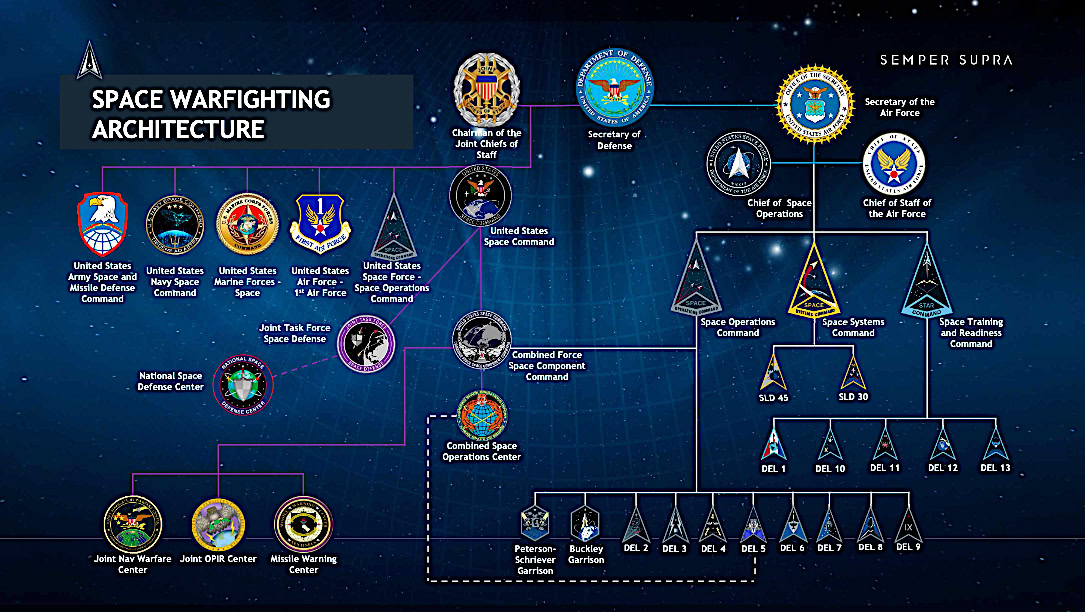
To start introducing some of the USSF lexicon, I’ll post two USSF organizational charts. They break down the USSF organization. I regret walking you through organizational charts, but they convey a lot about what USSF does and will help you get familiar with the lexicon.


The first chart, which I believe is a bit outdated, shows that the CSO manages three commands: the Space Operations Command, Space Systems Command, and Space Training and Readiness Command. This remains true.


However, USSF renamed Space Operations Command (SpOC) to Combat Forces Command (CFC). That strikes me as a good change because USSF’s job is to provide the unified combatant commands with Guardians who are warfighters. As a side note, SpOC could easily be confused with Special Operations Command (SOC), which is a very different command.


I will focus on the USSF CFC. That’s the operational meat of the USSF. You might choose to follow the second chart which highlights the Mission Deltas and the Space Base Deltas.


There are three Space Base Deltas, and seven Mission Deltas. There is also one Space Delta, known as Space Delta 5, which is quite unique and is not shown on the second chart.


One of the joys of following the USSF is that it is new and constantly adjusting its organization. This second chart is current as of August 25, 2026.


USSF Space Base Deltas


The Space Base Deltas are garrisons. USSF says it has a garrison at Peterson-Schriever SFB in Colorado, but those are two bases about 10 miles apart in eastern Colorado Springs. Peterson is much larger than tiny Schriever. 


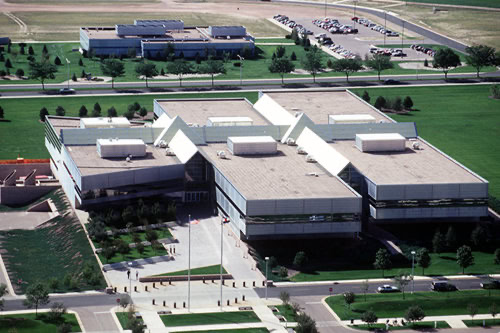
USSF’s Combat Forces Command (CFC) is headquartered at Peterson.  Its mission is to prepare its Guardians to serve in combatant commands, including SPACECOM.


Space Base Delta 1 (SD1) supports operations at Peterson SFB, Pituffik Space Base, Greenland, Cheyenne Mountain Space Force Station (SFS), the Maui Space Surveillance Complex (MSSC) in Hawaii, and 23 geographically separated units worldwide. I see it primarily as a logistics and administrative support endeavor.


Space Base Delta 41 (SD41) is located at Schriever SFB. The Space Innovation and Development Center and the Missile Defense Integration and Operations Center (MDIC) are located at Schriever. 


It also supports Ka’ena Point Space Force Station (SFS) in Hawaii, and the New Boston Space Force Station (SFS) in New Hampshire.


Space Base Delta 2 (SD2) is the other USSF garrison. Buckley Garrison is at Buckley SFS, Aurora, Colorado, and supports Colorado Air National Guard (ANG) flight operations and space-based missile warning, space surveillance, and space communications operations.


USSF Mission Deltas


The USSF Combat Forces Command (CFC) has seven Mission Deltas. Each Mission Delta is roughly equivalent to an Air Force Wing and includes at least two subordinate squadrons. I’ll run through them quickly, but each is packed with squadrons assigned multiple tasks.


Mission Delta 2 (MD 2) surveils space and maintains space domain awareness. 


Mission Delta 3 (MD 3) conducts space electromagnetic warfare (EW).


Mission Delta 4 (MD 4) provides strategic and missile warning. 


Missile Delta 6 (MD 6) conducts Cyberspace Warfare.


Mission Delta 8 (MD 8) manages military satellite communications and global GPS systems.


Mission Delta 9 (MD 9) generates combat-ready orbital warfare forces and serves as the combat forces proponent for the orbital warfare mission area. I will return to orbital warfare later.


Mission Delta 31 (MD 31) provides, operates, and sustains Satellite Control & Navigation Warfare and addresses challenges posed by anti-satellite weapons and cyber threats.


Space Delta 5


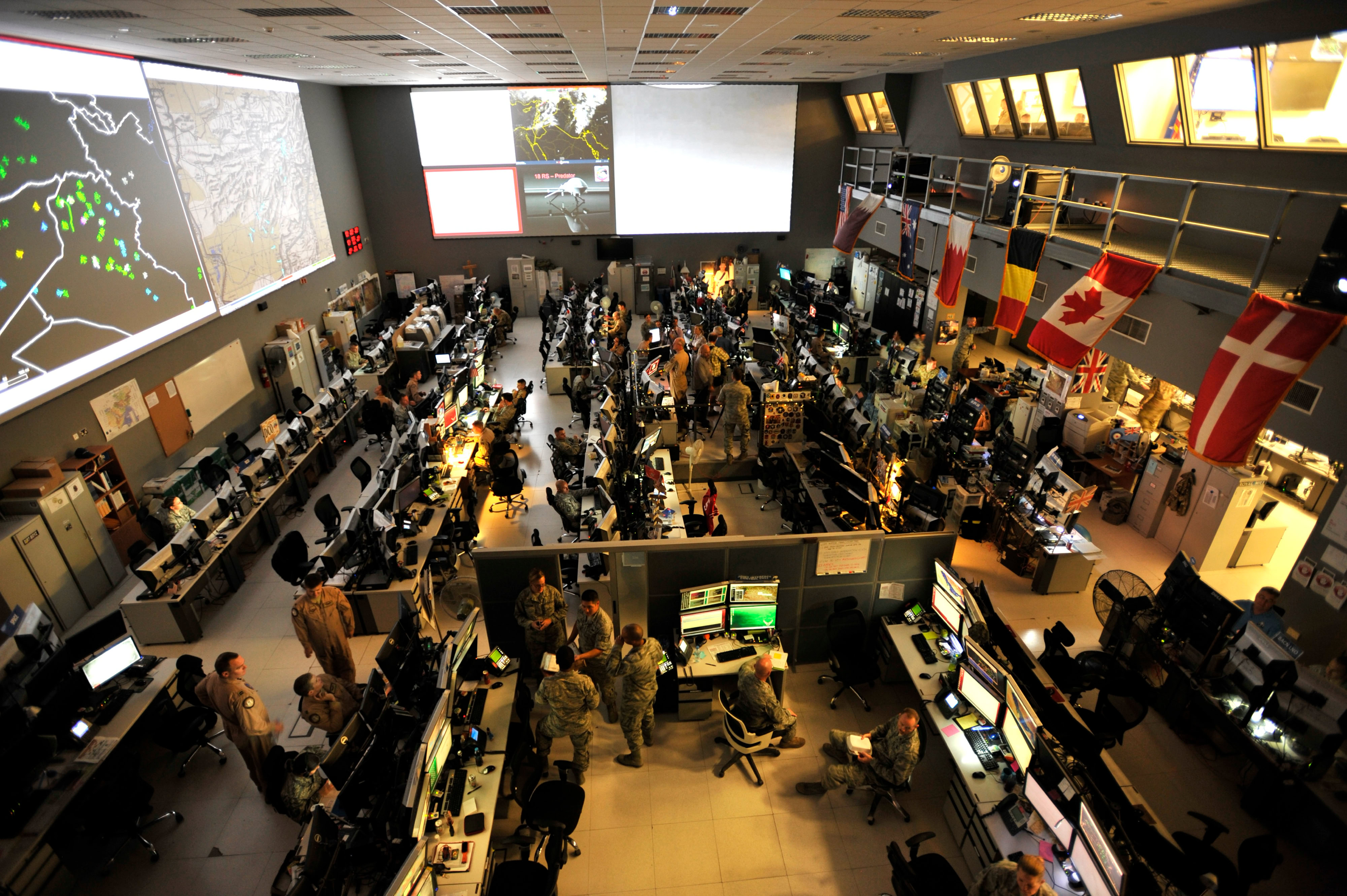
Space Delta 5 is based at Vandenberg SFB, California, and operates from USSPACECOM’s Combined Space Operations Center (CSpOC). It is also known as S4S, US Space Forces - Space.


This can be a bit difficult to understand. It is fundamentally a USSF contribution to USSPACECOM’s CSpOC. command-and-control operations. USSF has assigned its specialized Guardians to the CSpOC to to help USSPACECOM fulfill its combat mission, which includes exercising operational and tactical control over space domain awareness, satellite communications, missile warning, and navigation warfare.


The USSF Guardian staff is augmented by U.S. Air Force, Army, Navy, and Marine space personnel, along with exchange officers from Australia, New Zealand, Canada, the United Kingdom, and Germany.


USSPACECOM leads this multinational coalition to synchronize U.S. and allied space operations, thereby protecting critical space assets and deterring hostile actors in the space domain.


General Stephen N. Whiting, USSF, the commander of USSPACECOM, has summed it up this way, 


“Space is truly a team sport.”


Space Delta 15


Space Delta 15 at Schriever SFB is a command-and-control unit that supports the National Space Defense Center (NSDC), also located at Schriever SFB. The NSDC is subordinate to the USSF. 


Space Delta 15’s mission is to detect, warn, characterize, attribute, and defend against threats to our nation's vital space systems, primarily our intelligence satellites. The NSCD, supported by Space Delta 15, is a partnership between the National Reconnaissance Office (NRO) and the intelligence community (IC). The NRO operates U.S. intelligence satellites and is part of the IC.


Intermission: Let’s pause


I was reluctant to put you through the US space organizational chart, but there is much to learn from it. Most of this was new to me and perhaps to you as well. 


The space mission is highly complex, with many moving parts, most of which must interact and be choreographed like an intricate ballet, alongside land, sea, and air forces, from the bottom of the seas to the Moon and in between.


In upcoming articles, I hope to delve deeper into several of the Mission Deltas. But first, I want to introduce you to the Chinese Taikonauts, or astronauts in English. The Chinese have taken a different approach. Let’s take a brief look.


Chinese Taikonauts


“Taikonaut” is the Chinese term for astronaut.


China’s former General Director of lunar exploration missions, Ye Peijian, has said,


“The cosmos is an ocean, the Moon is the Diaoyu Islands. …If we can go, but don’t go, future generations would condemn us. Once others … have occupied, no matter how much you wanted to go you couldn’t.”


Colonel Kyle Pumroy, USAF (Ret.), puts that in plain English,


“China views success in the space race as a means to control territory and corresponding logistics routes—a modern-day Silk Road through space.”


I have posted stories about Chinese attempts to control the South China Sea (“Hainan to Singapore: SCS,” and “China’s plan: South China Sea”) and the Indian Ocean (“China’s ‘String of Pearls’”).


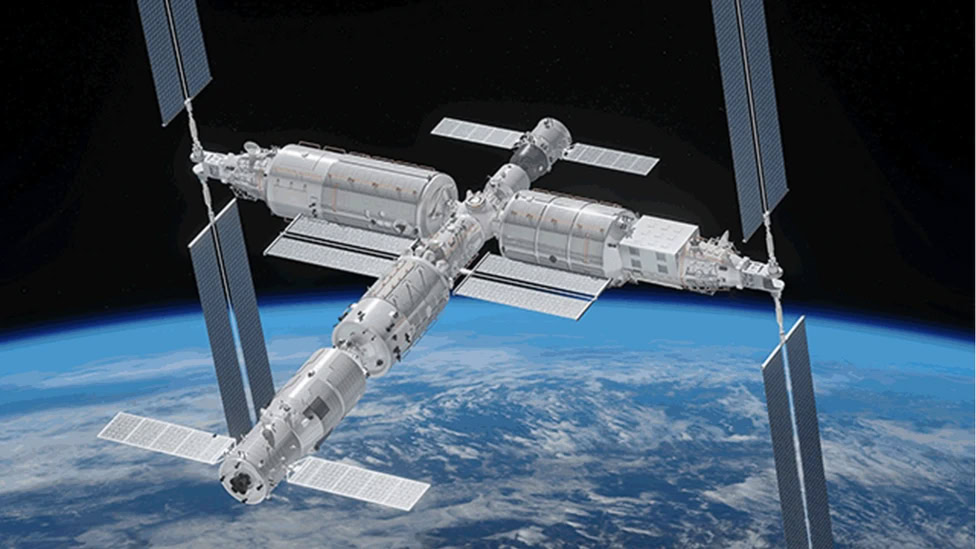
China is now moving into space. It has its own space station, known as Tiangong. In April 2021, a heavy-lift March 5B rocket launched from the Wenchang Spacecraft Launch Site on Hainan Island, placed Tianhe, its first space station component, into low Earth orbit. China had been working toward this milestone since 2011.


They launched Wentian, the second module, in July 2022, and Mengtian, the third and final module, in October 2022. 


In June 2021, China sent its three-man crew to the Tianhe first module. They stayed aboard for 90 days and then returned to Mongolia.


The Chinese Manned Space Agency (CMSA) aims to keep a crew aboard the Tiangong space station continuously, rotating crews every six months. Tiangong can accommodate six Taikonauts at a time. 


The Taikonauts are not civilians; they are military personnel who operate under military authority. China plans to add more modules over time.


Overall, China plans to conduct lunar and deep-space exploration over the next 20 years. It intends to invite Taikonauts from developing countries to join.


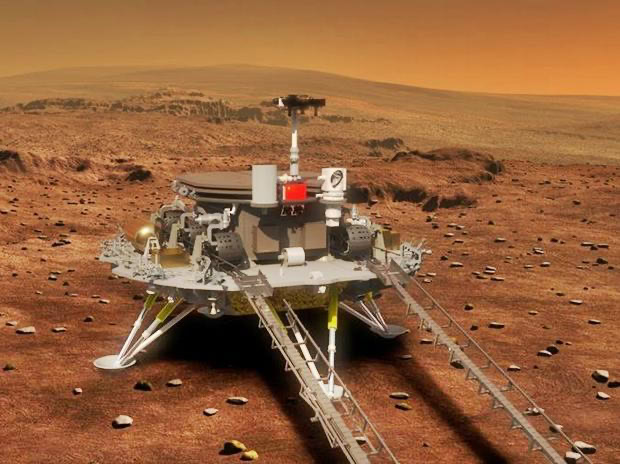
China orbited Tianwen-1 around Mars in February 2921 and landed a rover on Mars in May 2021. It plans to conduct unmanned missions to Jupiter in 2029, arriving in 2035 after flybys of Venus and Earth.


I have written about China’s naval expansion on Earth, including in the Arctic, the South China Sea, and the Indian Ocean. It makes sense for China to expand into space as well. 


Let’s return to Col. Pumroy’s paper, “Military Human Spaceflight is Key to Future U.S. Space Superiority.” He advocates sending USSF members to space on a rotational basis and promotes competing in space, asserting, 


“Space today is an ungoverned expanse without laws or norms. That means the most present and powerful players will wield the greatest power, ultimately dictating norms and legal-political frameworks to everyone else. Human presence is therefore an essential element of national strength.”


Jared Isaacman is a billionaire entrepreneur, pilot, and commercial astronaut who became NASA’s 15th administrator in December 2025. Pumroy maintains that Isaacman is committed to a human presence in low-Earth orbit. Pumroy quotes Vice Chief of Space Operations General Shawn Bratton,


“Do we need to put human Guardians in space? It would be tragic if that didn’t happen someday. … We owe work on that.”


Orbital Warfare


Recall that Mission Delta 9 (MD 9) generates combat-ready orbital warfare forces and serves as the proponent for the orbital warfare mission area. Returning to the Scientific American article, Ms. Randolph wrote about the arsenal available for orbital warfare,


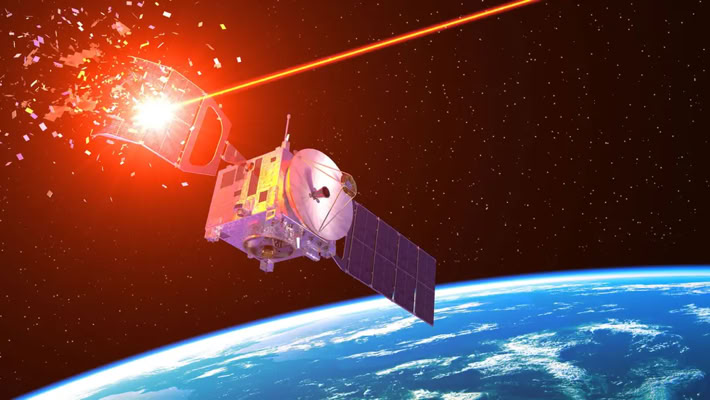
“Space weapons can come in four broad categories, most experts say: nuclear bombs, directed-energy weapons, kinetic anti-satellite weapons, and platforms for disrupting or disabling satellites’ activity without actually destroying them.”


Randolph immediately discounted using nuclear bombs in space. She also discounts kinetic anti-satellite weapons because they would produce too much shrapnel and would not be very strategic. She believes laser-directed energy weapons are not yet mature enough for the task. She focuses on interfering with satellites by getting a friendly satellite “close to an adversarial spacecraft via what’s known as rendezvous and proximity operations (RPOs).”


Note bene: The Washington Times reported on October 16, 2026 that a Russian satellite believed to be Cosmos 2612 approached within three miles of ICEYE-X36, made by a Finland-based company, and may have come as close as 85 feet. ICEYE-X36 is thought to provide high-resolution spacfe intelligence to the Ukrainian military.


Jonathan McDowell has said the US has a host of secretive satellites in geostationary orbit that could do the job. The main challenge is to conduct the RPO. Randolph has said several companies are working on this problem with some success. She has also written that China is working on the problem and has demonstrated some success.


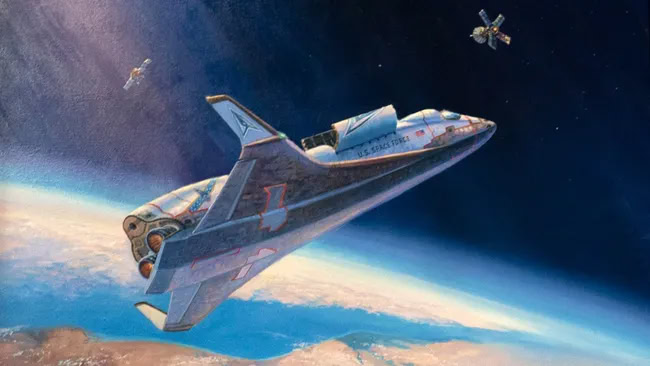
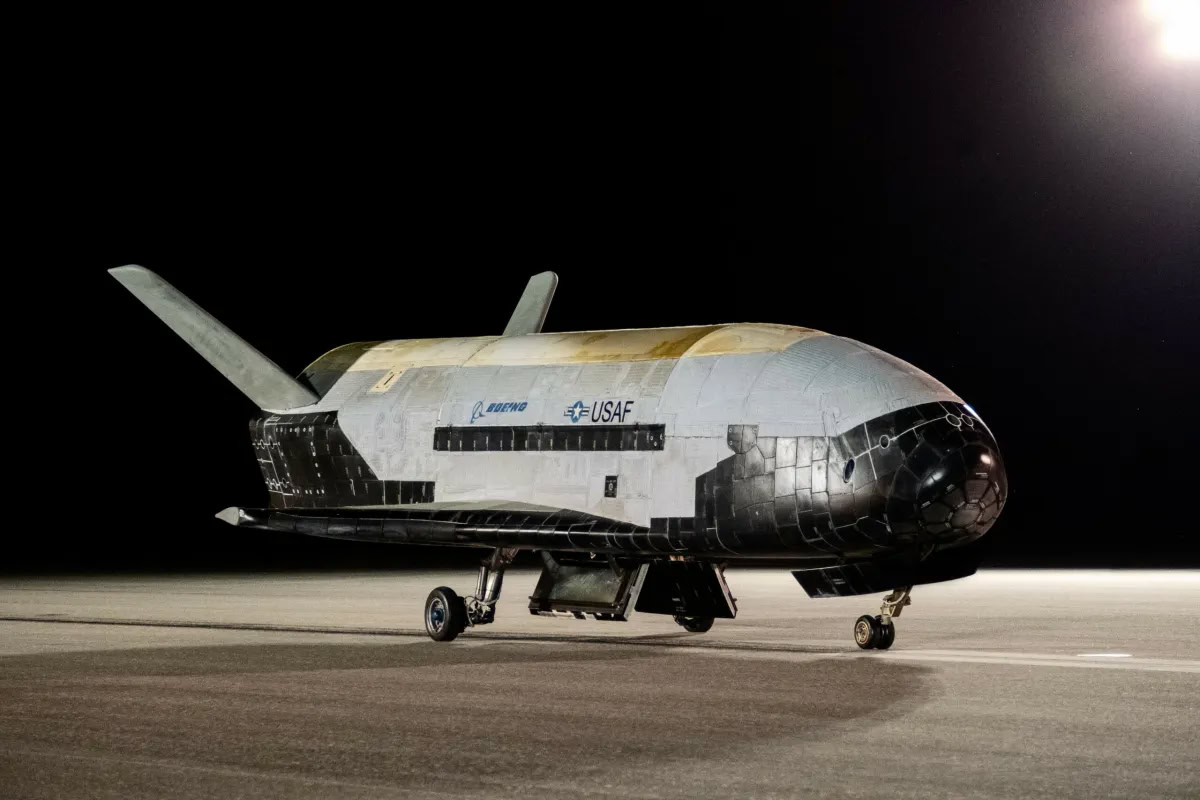
I’ll also mention the secretive X-37B unmanned reusable spaceplane known as the Orbital Test Vehicle (OTV). It can remain in its orbit(s) for as long as 900 days, perhaps more. Many details about the X-37B remain classified. Harrison Klass, writing for The National Interest, has speculated some.


Its first known mission was in December 2010. It has flown eight missions employing two vehicles. The eighth mission, launched in August 2025, was still flying as of late August 2026.


Recall that Secretary of the Air Force Troy Meink said on September 14, 2026 that the US had “on-orbit space control weapons capable of defending the Joint Force against hostile adversary action.” 


When he addressed the Air Force Space Forces Association’s Warfare Symposium, General Saltzman, USSF CSO, said,


“We must think of space as a warfighting domain rather than just a collection of support activities … Space Control … is the special provenance of warfighters — a unique responsibility that only military services hold.


“If the purpose of the Space Force is to achieve Space Superiority, then space control is the tool by which we do so … The Space Force will do whatever it takes to achieve Space Superiority.”


That’s putting the cards of intent on the table. 

Ed Marek, editor

Marek logo

Marek Enterprise

224 N Barstow St Suite 426

Eau Claire, WI 54703

© Copyright 2026