NATO Forward: Block, blunt, break
Deter and defend: Russia is the threat
Introduction
On October 5, 2026, I read remarks by Russian Foreign Minister Sergei Lavrov, who tearfully lamented that NATO was preparing for war with innocent Russia through its “defensive plan for its eastern flank.”
Mr. Lavrov, you are correct. NATO has been quite open about its plans to defend against a Russian invasion. At its 2022 Madrid summit, NATO clearly stated,
“The Russian Federation’s war of aggression against Ukraine has shattered peace and gravely altered our security environment … The Russian Federation is the most significant and direct threat to Allies’ security and to peace and stability in the Euro-Atlantic area.”
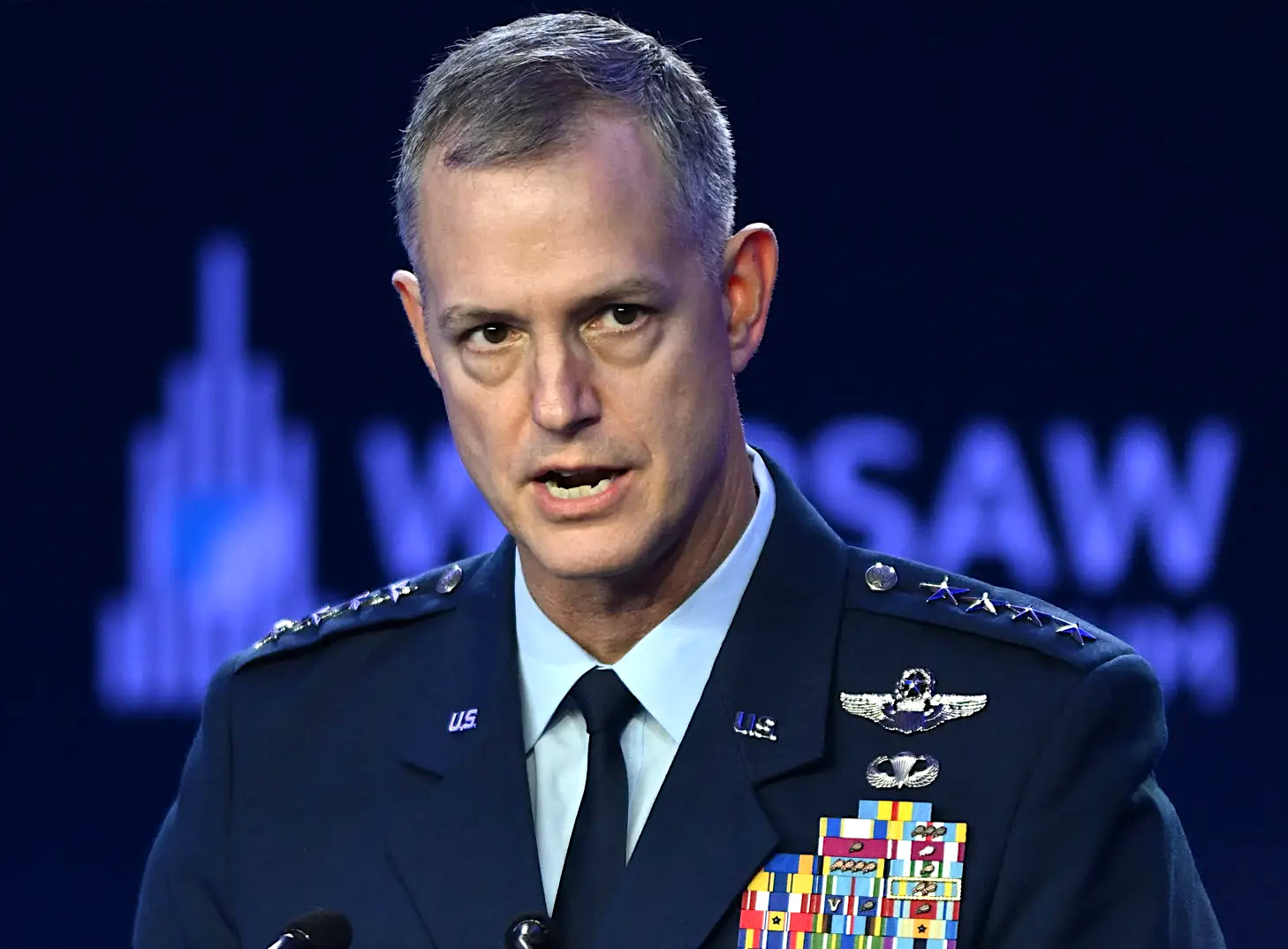
Mr. Lavrov probably knew that General Alexis G. Grynkewich, USAF, Supreme Allied Commander Europe (SACEUR), would soon announce NATO’s “Theory of Victory” as the Alliance’s strategy for deterring and defending the Euro-Atlantic area. The general announced it at the Warsaw Security Forum in Warsaw, Poland, on October 12-13, 2026.
General Grynkewich described NATO’s strategy in simple terms
“Block the initial attack.
“Blunt the initial attack and prevent enemy advance.
“Break the enemy’s forces and the operational warfighting system that is arrayed against us if required.”
The general then asked, “Where do we go from here?” His answer,
“Across the Alliance, we are taking steps to operationalise this theory and maximise the readiness of our forces … our Forward Land Forces on the Eastern Flank will exercise and demonstrate their ability to block any attack.”
This report focuses on these Forward Land Forces (FLF) on the Eastern Flank, which is part of a “monumental shift in resources and change in force posture.”
A touch of history
Following the collapse of the Soviet Union and the Warsaw Pact in 1991, multiple countries in Eastern Europe sought NATO membership. The 1999 Washington Summit established a Membership Action Plan (MAP) to guide these countries in meeting NATO requirements.
US Presidents William Clinton and George W. Bush supported NATO enlargement. The 9-11 attacks on the US in 2001 bolstered US support.
The May 2002 Rome Summit established the NATO-Russia Council (NRC) to enable Russia and NATO members to coordinate on security matters.
Two major actions resulted from the North Atlantic Council’s (NAC) meeting in Prague in November 2002:
The NRF achieved initial operational capability (IOC) in October 2004. The plan was for the NRF to quickly reach a force level of 40,000.
Russia’s invasion and occupation of Crimea in 2014 led to the suspension of the NATO-Russia Council (NRC), though it met 11 times afterward, with the most recent meeting in January 2022.
In November 2015, the presidents of Romania and Poland created “The Bucharest Nine,” comprising NATO members on the alliance’s eastern flank: Bulgaria, the Czech Republic, Estonia, Hungary, Latvia, Lithuania, Poland, Romania, and Slovakia. The idea was to coordinate security positions and enhance security in response to Russia’s aggression in Ukraine and the perception that these countries were now threatened.
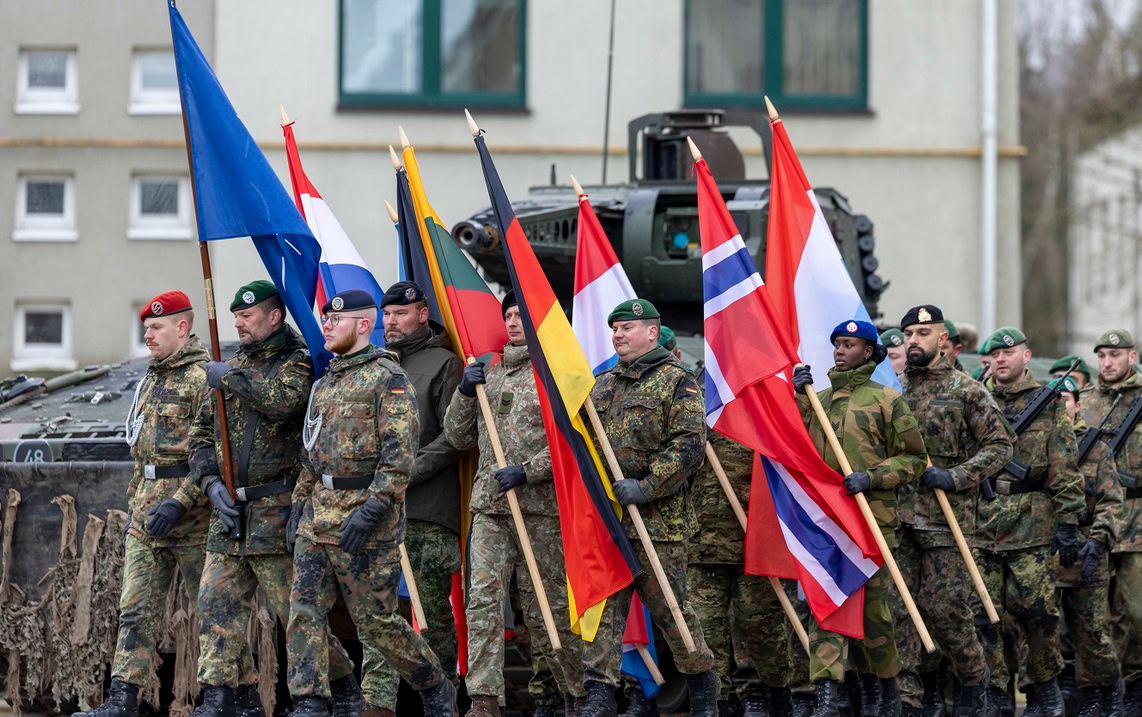
The following year, in 2016, the NATO Warsaw Summit agreed to establish an Enhanced Forward Presence (EFP) in Estonia, Latvia, Lithuania, and Poland, consisting of four battalion-sized battlegroups in each country, each capable of operating in concert with national forces. The EFP was later renamed NATO Forward Land Forces (FLF).
This report will examine the FLF more closely.
The Forward Land Forces (FLF) were a “trip-wire” endeavor. A Russian attack across these borders would immediately engage NATO forces, and NATO reinforcement actions would take hold. However, the FLF were not strong enough to threaten Russia; they were meant to signal deterrence.
In February 2022, Russia launched a full-scale invasion of Ukraine. In response, on February 25, 2022, NATO activated the NATO Response Force (NRF). NATO deployed the Very High-Readiness (VHR) Joint Task Force of the NRF for the first time, with France leading. This marked the first time NATO deployed the NRF for a military mission.
Prior to this, on February 16, the US placed 8,500 troops on alert, and on February 25 deployed 7,000 troops from the 1st Armored Brigade Combat Team (BCT), 3rd Infantry Division (3 ID), to Germany. The net result was that the US had three heavy brigades in Europe, with the headquarters of V Corps and XVIII Airborne Corps in Poznan, Poland, and Wiesbaden, Germany, respectively. NATO agreed it could not partner with Russia following its invasion of Ukraine in February 2022.
In March 2022, at an extraordinary summit, NATO expanded the FLF battlegroups from four to eight, adding Slovakia, Hungary, Romania, and Bulgaria.
At the NATO Madrid Summit in June 2022, NATO invited Sweden and Finland to join the Alliance.
NATO published its “Strategic Concept” in June 2022 following the NATO Madrid Summit. The strategy is to deter, defend, cooperate, and prevent crises and manage them if they occur.
The NATO Force Model replaced the NATO Reaction Force (NRF) in 2024. It became the primary organizing framework for NATO’s multinational forces. Forces are to be available within a three-tier system: 0-10 days ready, 10-30 days ready, and 30-180 days ready.
The NATO Force Model is an Alliance-wide force-generation framework, while the Forward Land Force is a specific battlegroup deployment that is currently in place.
In December 2025, NATO Secretary General Mark Rutte announced the dissolution of the NATO-Russia Council.
NATO has been open about its intent to defend against a Russian invasion. At its 2022 Madrid summit, NATO stated that,
“The Russian Federation’s war of aggression against Ukraine has shattered peace and gravely altered our security environment … The Russian Federation is the most significant and direct threat to Allies’ security and to peace and stability in the Euro-Atlantic area.”
Conceptually, the idea is for the FLF to delay Russian advances until the NATO Force Model can take effect and send reinforcements. The Baltic states and Poland bear the heaviest burden.
Defense of NATO’s eastern flank
As noted, NATO has increased its military presence along its eastern flank. I’ll now address the Multinational Forward Land Forces (FLF) battlegroups and their comand and control system.
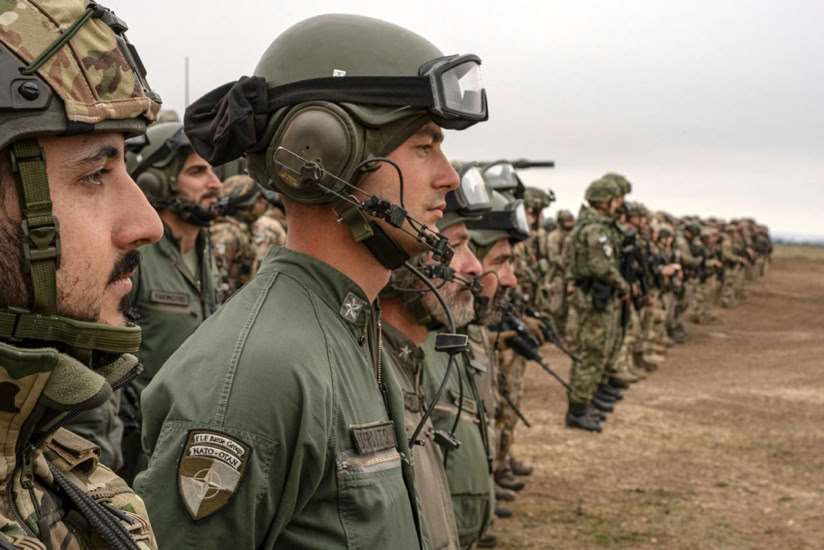
Eight of these FLF battlegroups have deployed, are on watch, and are building. Sweden created a ninth battlegroup for Finland in June 2026 and is operating it from Sweden.
A NATO battlegroup is essentially a battalion-sized unit, ranging from 300 to 1,000 troops. However, I’ll make two points. First, the intent was to integrate each battlegroup with the host nation’s brigades, which can range from two to six battalions, roughly 2,000 to 3,000 soldiers. Second, in 2022, the Allies committed to building the battlegroups into brigade-sized formations.
A command-and-control structure has also been built.
FLF Command and Control Centers
There are three command and control centers for NATO FLF Multinational battlegroups.
Baltic region
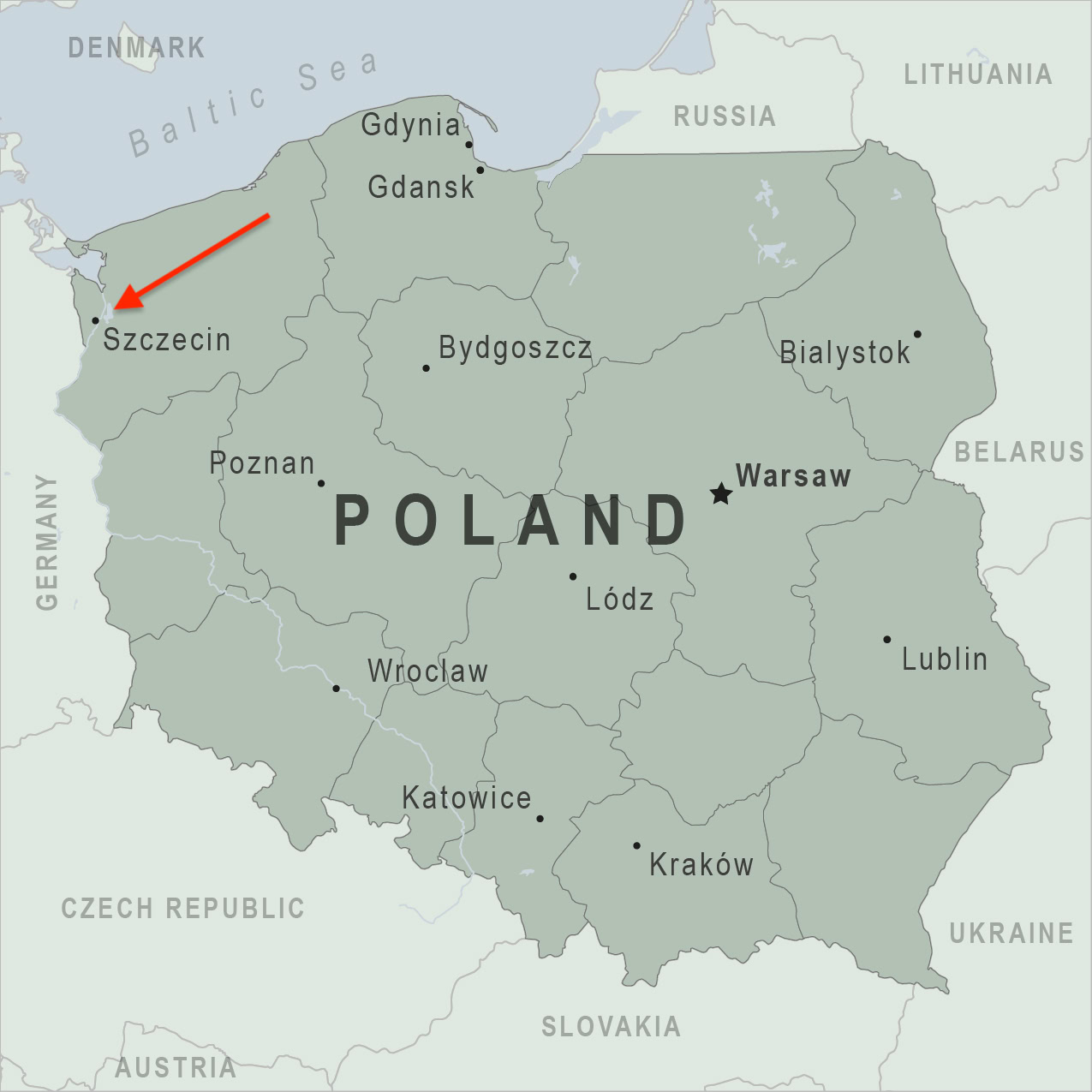
Multinational Corps Northeast (MNC-NE) is headquartered in Szczecin, Poland, and exercises command and control over NATO land forces in Estonia, Lithuania, Latvia, and Poland. This authority includes:
Southeast
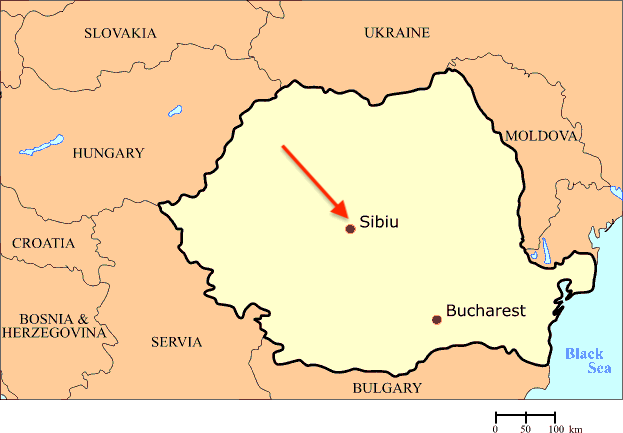
The Multinational Corps Southeast (MNC-SE) is headquartered in Sibiu, Romania, and has command and control authority over NATO land forces in Bulgaria and Romania, including:
Center
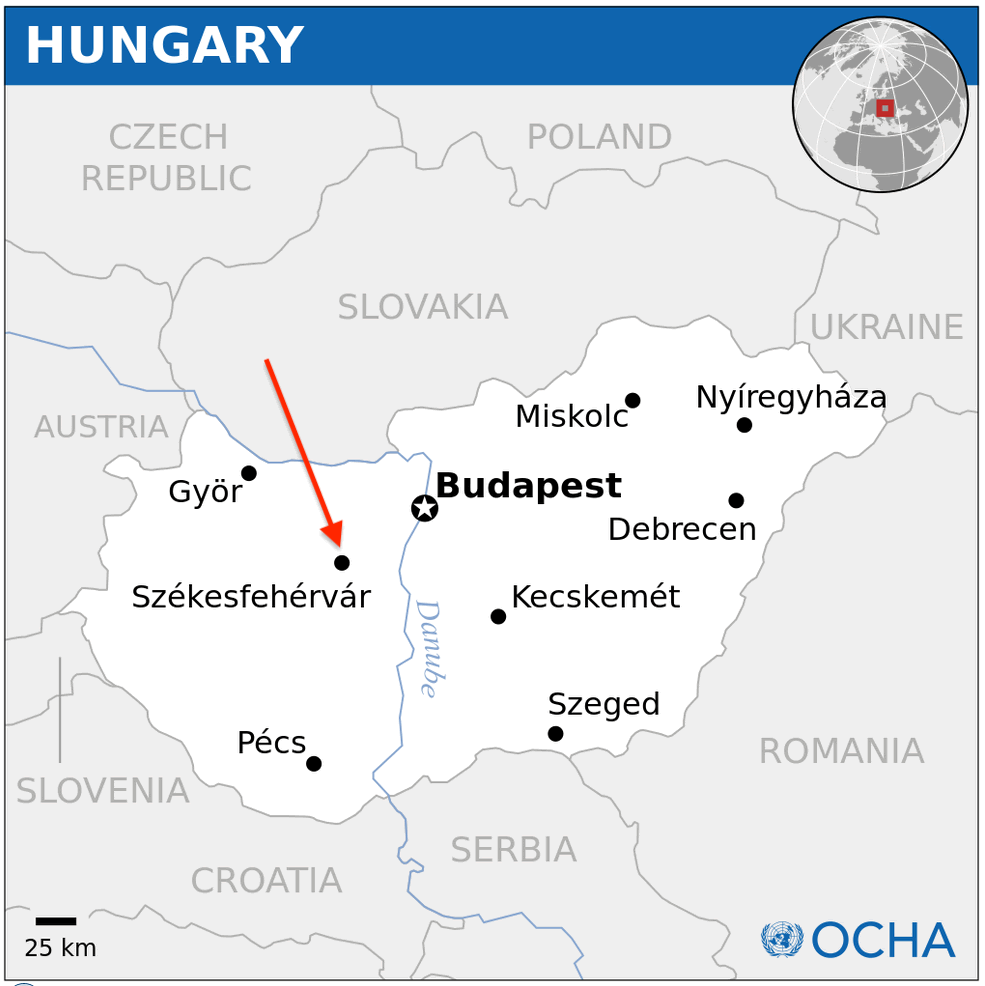
The Multinational Division Center (MND-C) is headquartered in Székesfehérvár, Hungary, and commands NATO land forces in the central region, including:
FLFs to defend NATO’s eastern flank
Identifying troop numbers and deployments abroad is challenging, largely because of rotations and operational security. My objective is to give you a sense of what is involved.
Recall NATO SACEUR’s plan: Block, Blunt, Break.
To achieve these goals, NATO has reinforced its eastern flank by deploying and building nine Multinational Forward Land Force (FLF) battlegroups. The intent is to expand these battlegroups to brigade size, integrate as much as possible with host-country forces, meet the Russians head-on, block and blunt the attack as much as possible, and wait for reinforcements that will come from the NATO Force Model.
First: the Big Four FLFs
Estonia: Led by the United Kingdom
Latvia: Led by Canada
Lithuania: Led by Germany
Poland: Led by the United States
Second: The rest
Romania: Led by France
Slovakia: Led by Spain
Bulgaria: Led by Italy
Hungary: Led by Hungary
Finland: Led by Sweden, from Sweden
Poland
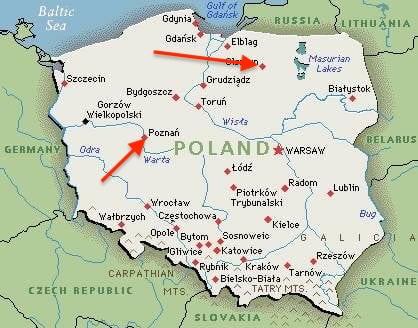
The US leads the FLF battlegroup in Poland, primarily at the Bernowo Piskie Training Area in northeastern Poland (upper arrow) The US also has about 7,000 troops in Poland as part of the V Corps, headquartered at Camp Kościuszko in Poznań (lower arrow). The V Corps troops are separate from the FLF.
The US-led FLF is a multinational battlegroup intended for near-immediate tactical operations if Poland is threatened. It comprises units from the US, Croatia, Romania, and the United Kingdom. Units rotate in and out. The US element of the FLF numbers about 800. The battlegroup operates in concert with Poland’s 15th Mechanized Brigade.
V Corps is a US national corps permanently stationed in Poland to support NATO. It has about 10,000 troops stationed in Poland. V Corps has the 2nd Cavalry Regiment, 41st Field Artillery Brigade, and 12th Combat Aviation Brigade assigned.
Estonia
Estonia has a bold defense plan: it will meet the Russians at the border. Estonia intends to confront Russian forces as soon as they invade and prevent Russia from taking and holding any land.
Colonel Tarmo Kundla, commander of the Estonian First Brigade, has said, “We have to start from the border and win from the first battles.” Estonia does not depend on NATO to come to the rescue; instead, it plans to blunt an invasion before reinforcements arrive.
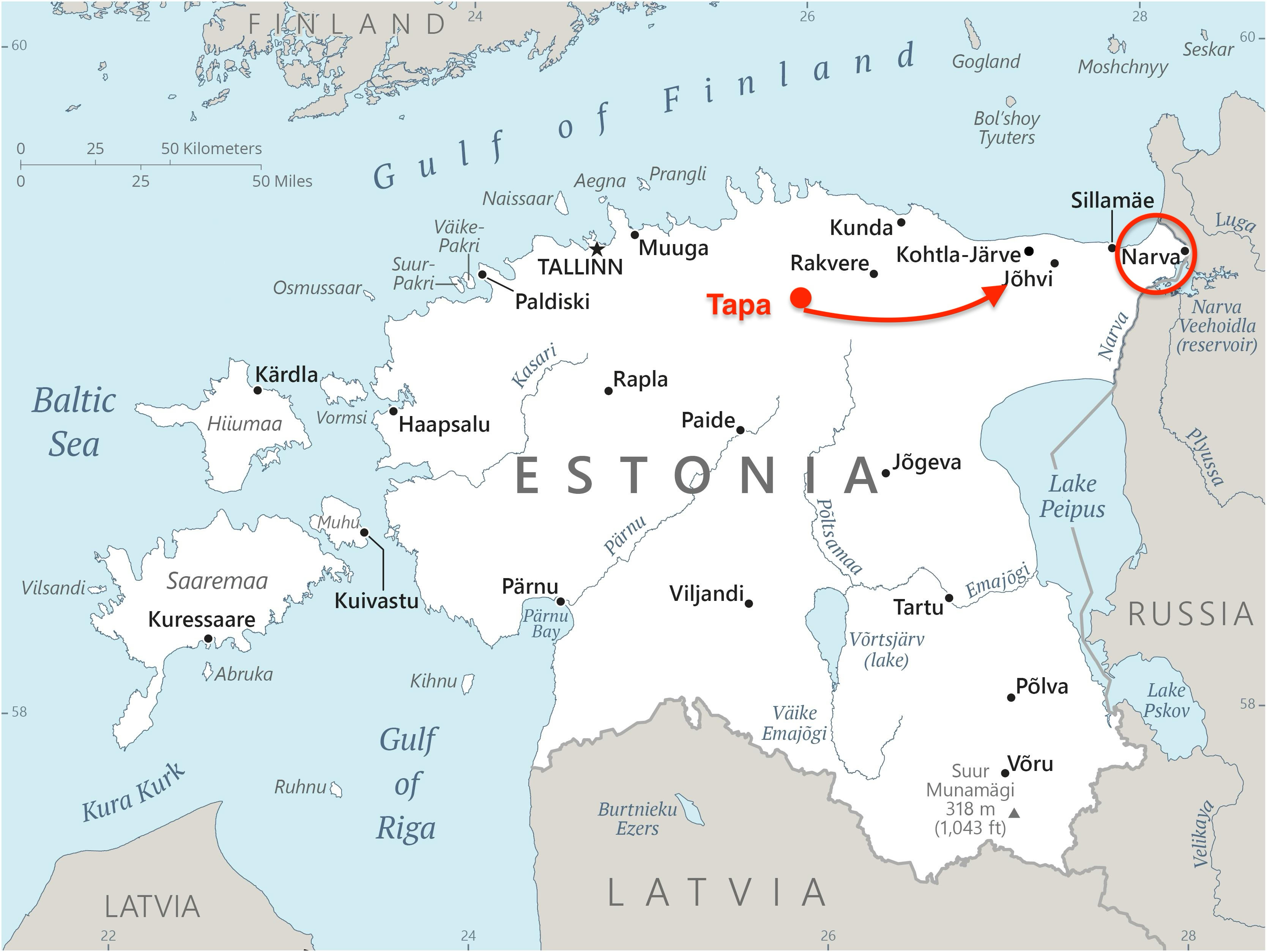
Therefore, the headquarters of Estonia’s 1st Infantry Brigade is relocating from Tapa, about 60 miles from Russia, to Johvi, about 30 miles from the border. Estonia is also building infrastructure to host 1,000 troops in Narva, which lies on the border. This brigade is one of two infantry brigades within the Estonia Division, its principal fighting force.
Furthermore, Estonia prides itself on its artillery, ammunition stockpiles, air and drone defense systems, and its capacity to mobilize its citizens. Jennifer Kavanaugh has written about Estonia,
“Artillery remains the god of war.”
Estonian officials do not think Russia will start a full-scale war with NATO but instead will sortie into Estonia to see how Estonia and NATO react, according to Sam Jones, reporting for the Financial Times, on October 4, 2026.
The British lead the FLF Multinational Brigade in Estonia. The British Army has been rotating 800-900 troops to Estonia alongside the French. Since 2016, Britain has had an armored infantry battlegroup with tanks and infantry fighting vehicles deployed on six-month rotations.
It is transitioning to a Mobile Anti-Armor Force and intends to increase the troop count to 1,200, which means the British will remove the Challenger tanks and other heavy armor. This will enable them to convert the Challenger 2 to the Challenger 3 in Britain.
The British deployed a second battle group in 2022, but in 2023 decided to keep it in the UK at high readiness.
The US has maintained a rotational armored and infantry military presence in Estonia, but the forces have since departed. The rotation paused in late September 2026. The Estonian Ministry of Defense (MoD) announced in late September 2026 that new US units would arrive in November.
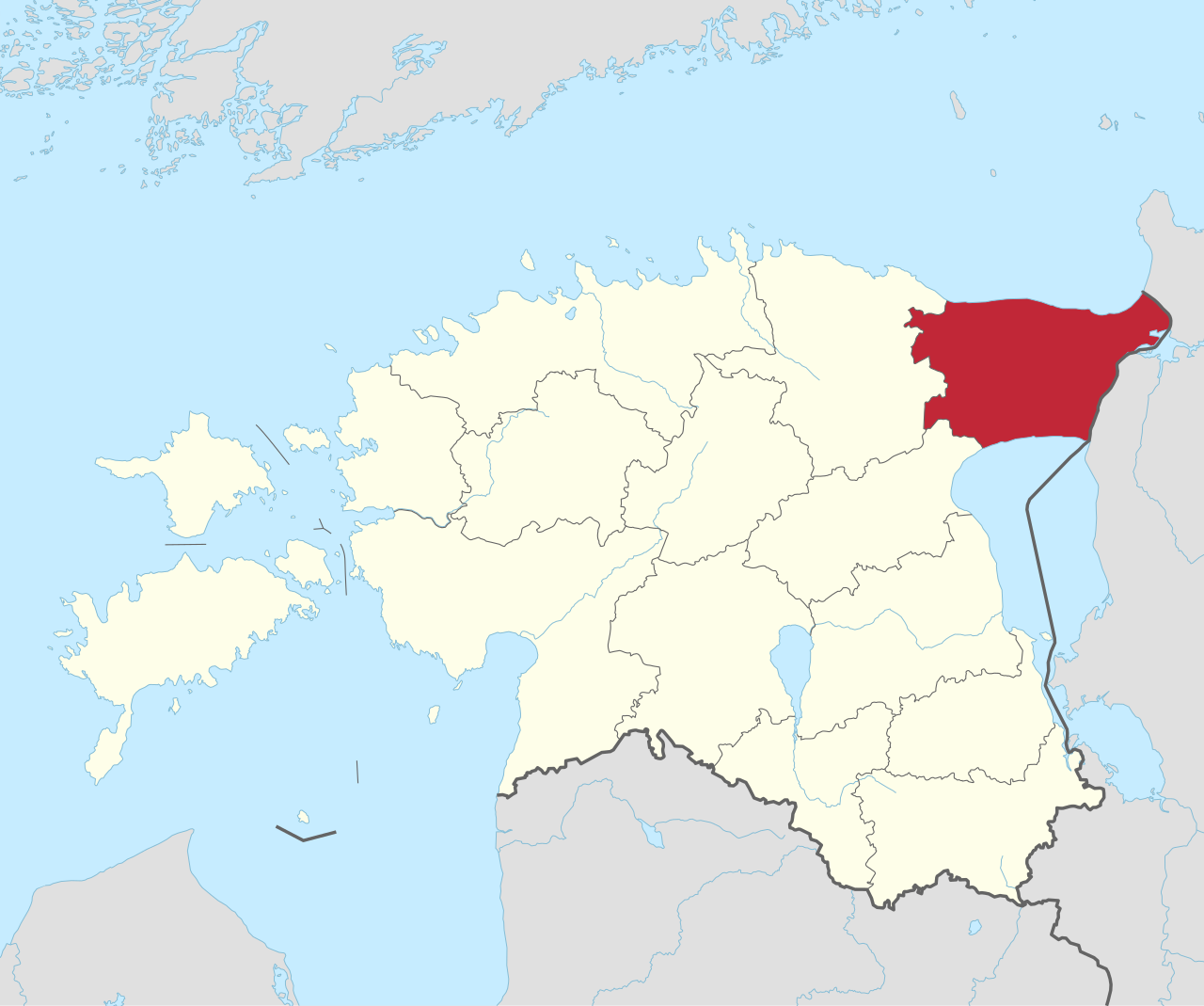
Much has been made of Estonia’s large Russian ethnic population. Estonia’s population is about 1.4 million. Ethnic Russians account for about 24 percent of the population, or 315,000. Most of them live in the northeast or in the capital, Tallinn, in the northwest.
Jennifer Kavanaugh, however, thinks there could be issues,
“(There is) the social vulnerability (in) Narva and Ida-Viru County, which are home to a large Russian-speaking population that Moscow might seek to exploit. The local people have remained loyal to Estonia, but the region continues to be susceptible to disinformation and agitation.”
She also suggests that “cross-border influence operations” from Russia could have an impact.
Eighty-four percent of the population speaks Estonian. English is the most widely spoken foreign language, at 76 percent; Russian is spoken by 39 percent of the population, and that share is declining. That said, about 97 percent of Narva residents speak Russian and have family connections across the border in the far northeast and on the Russian border.
Kavanaugh also acknowledges that logistics could fall short if the war drags on and Russia can muster significant forces.
Latvia
Latvia shares Estonia's view that Russia is more likely to test readiness than launch a full-scale assault. For example, Latvians have discovered two tunnels from Belarus.
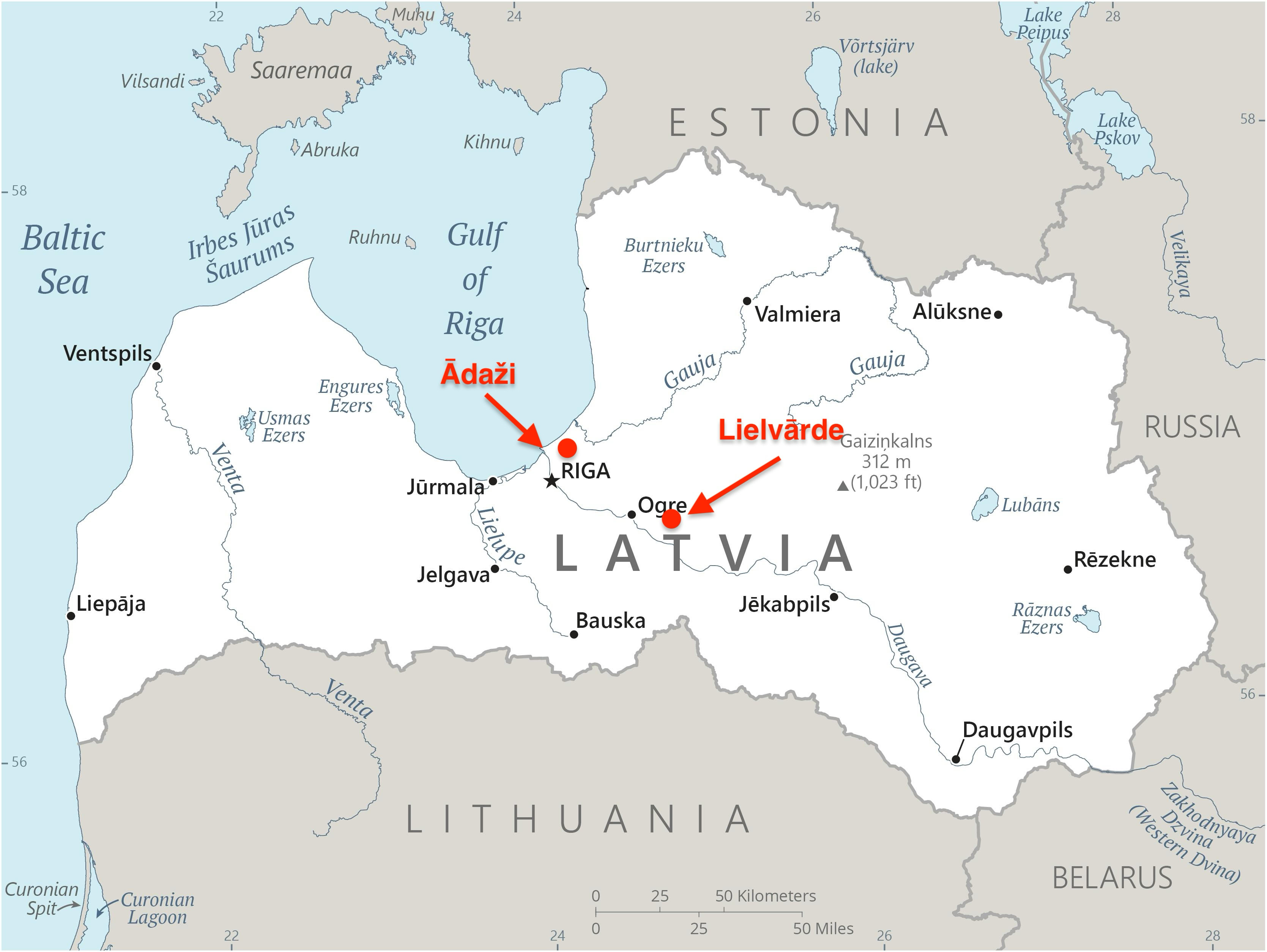
Canada leads the FLF Multinational Brigade in Latvia. It has about 2000 troops in Latvia and plans to increase to 2,600. The main force is based at Ādaži Military Base, about 11 miles northeast of Riga and on the east side of the Daugava River.
Overall, the brigade comprises about 3,500 troops from Albania, the Czech Republic, Denmark, Iceland, Italy, Montenegro, North Macedonia, Poland, Slovakia, Spain, Sweden, and Canada. It achieved full combat readiness in 2026.
Canada has built new barracks at Ādaži and is now constructing a rotary-wing helicopter facility at Lielvārde Air Base, along with barracks at Riga and Lielvārde. A new training area at Selonia is expected to become a key NATO training hub, though it is still a few years away.
The US has rotated about 250 Army personnel through Ādaži and Lielvārde. Latvian troops have also traveled to Michigan for training with the National Guard.
Lithuania
Germany leads the multinational effort in Lithuania and is deploying about 5,000 personnel to operate a heavy maneuver brigade comprising an armored infantry battalion, a tank battalion, and support units. Germany is establishing a permanent base in Lithuania. The plan is to integrate the multinational combat battalion into the brigade.
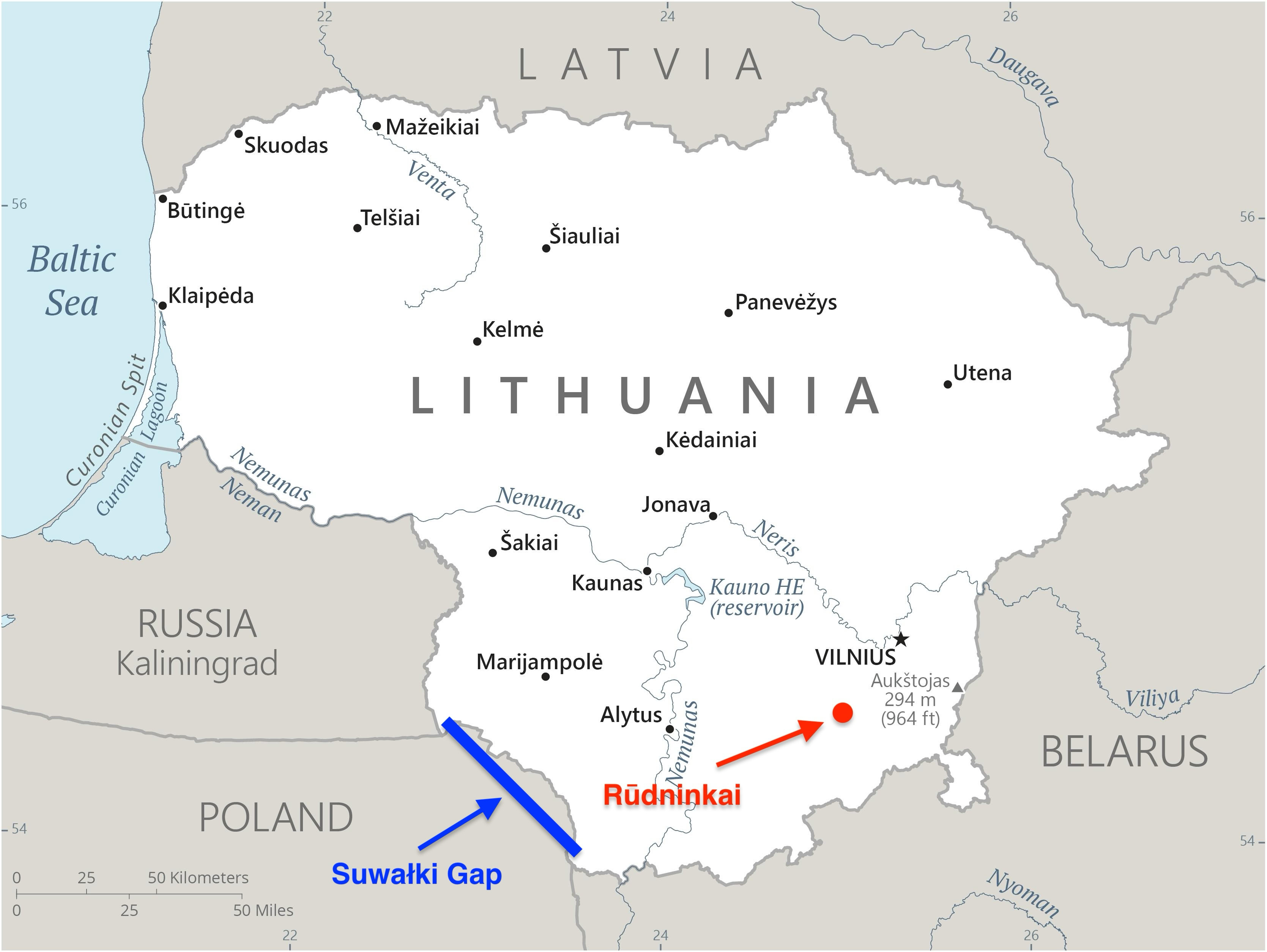
Their main base is at Rūdninkai, about 20 miles from Belarus. The German brigade is expected to achieve full operational capability in 2027. New residential blocks will accommodate the first 2,000 troops this year, and the remaining housing is on schedule to be ready for the rest in 2027.
I should mention that the Suwałki Gap, which lies between Lithuania, Belarus, and the Russian enclave of Kaliningrad, is often cited as the link connecting the Baltic states to the rest of NATO. Closing this corridor could cut off the Baltic states from logistics routes. Chatham House in Britain considers this concern overblown.
Germany has struggled to meet its troop quotas, so it has resorted to compulsory assignments.
Belgium, Czechia, Luxembourg, the Netherlands, and Norway are contributing forces. The US has had an armored battalion in Lithuania, and Vilnius expects this to continue.
Romania
France has the lead for the FLF in Romania. It and has one armored squadron, one mechanized infantry company, and one artillery battery, totaling about 1,500 troops in central Romania, and is said to have a brigade on standby at home. It intends to increase that number to 4,000.
Infrastructure is being built to accommodate 5,000 troops.
The US withdrew the 2nd Infantry Brigade Combat Team of the 101st Airborne Division in late 2025 and appears not to be replacing it. The US had been rotating a brigade to Romania since the 2022 Russian invasion of Ukraine. This action was separate from the FLF deployments.
Romania has a long way to go to get its military forces up to snuff. Its modernization program is in gear but faces multiple challenges. Belgium, Luxumbourg, and Spain are contributing.
Bulgaria
Italy has the multinational lead in Bulgaria. Bulgaria has authorized up to 800 Italian troops, and Italy has sent about 750. Albania, Croatia, Greece, Montenegro, North Macedonia,and Türkiye are contributing.
I confess I flinched when I learned that Italy leads in Bulgaria. However, the Heritage Foundation rates Italy highly for military capacity, saying its “armed forces have impressive expeditionary capabilities and high-end systems and are supported by a substantial Italian defense industrial base.” Frankly, I did not know that.
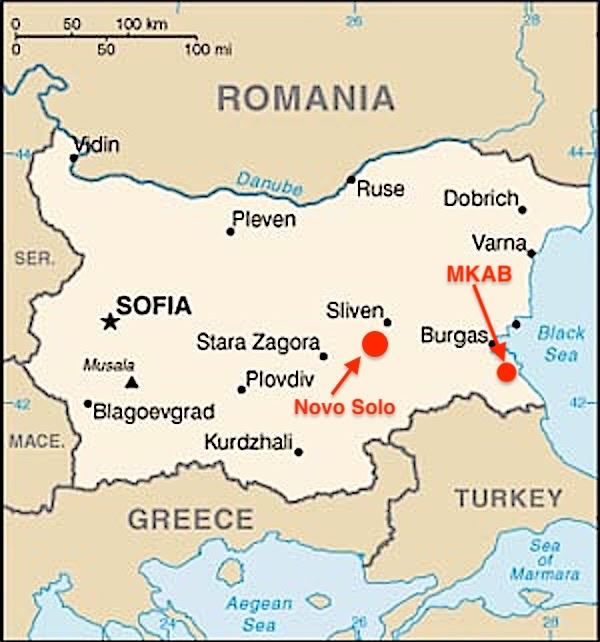
The US has deployed infantry to the Bulgarian Novo Selo Training Area (NSTA), and has a US Army Garrison Black Sea (USASG Black Sea) at Mihail Kogalniceanu Airbase (MKAB) and NSTA. It reports to V Corps and is separate from the Italian-led FLF.
Hungary
Hungary is providing its own troops to the FLF Battlegroup, which combines with Croatia, Italy, Türkiye, and the US.
Slovakia
Spain has provided 800 troops to FLF-Slovakia. Spain has run afoul of NATO because it would commit only to spending 2.1 percent of GDP on defense. That said, it has also sent about 800 troops to FLF-Latvia, in addition to those sent to Slovakia. That surprised me.
Here again, I have questioned Spain’s capacity to lead in anything affecting NATO. However, the Heritage Foundation view is that “the Spanish armed forces are professional and have some impressive capabilities.”
Slovakia’s political leadership also has been quite friendly toward Russia and China. That said, the Heritage Foundation has noted that Slovakia “has impressive industrial capacity, particularly in artillery and munitions production.”
Finland: Arctic warfare
FLF Finland is the newest, launched in June 2026. It is being handled differently from the others. Sweden leads this FLF, but it is based in Sweden and available for rapid response. The Norrbotten Brigade in Boden, northern Sweden, has the task. Furthermore, the Supreme
Allied Commander Europe (SACEUR), currently General Alexus Grynkewich, USAF, commands this FLF directly.
Norway, France, the United Kingdom, Denmark, Iceland, and Italy are contributing. The Finnish Jäger Brigade in Lapland will host the allied land force at its garrisons in Sodankylä and Rovaniemi, each about 100 miles west of Russia’s Kola Peninsula.
Concluding remarks
The US has reduced its number of brigade combat teams in Europe from five to three. Under Secretary of Defense Elbridge Colby has urged Europe to become capable of defending itself and to take the lead, in what he calls “NATO 3.0.” Colby is also leading a Europe Force Posture Review (FPR), announced in July 2026 and scheduled for completion by year’s end.
The expectation is that the US will reduce its military footprint in Europe.
Most Europeans understand that the US is backing away from Europe to develop a balance of power in the Pacific. The US is prepared to help in Europe and provide nuclear capabilities, but it wants Europeans to lead in conventional defense.
Russia has made drone and aircraft probing incursions along NATO borders. As a result, NATO has reinforced its air defenses. Brigadier General Stephen Carpenter, USA, commander Multi-Domain Command Europe, noted that in September 2026, NATO aircraft shot down a suspected Russian drone over Lithuania, and Russia conducted cyberattacks, political influence activitiues, and sabotage in eastern Europe.
Estonia is widely considered the most vulnerable Russian target, especially to probing and sabotage. This explains why Estonia has moved its forces so close to its border with Russia.
As you might expect, all three Baltic states are vulnerable. Each is building capability but must press ahead with developing the required support infrastructure.
A Russian invasion seems unlikely in the near term. The open question is Russia’s ability to rebuild its military following the war with Ukraine.
Russia would be hard-pressed to launch a surprise invasion.
The Center for European Policy Analysis (CEPA) believes the FLF multinational battlegroups do not need permission to respond to an attack. SACEUR also does not need a North Atlantic Council (NAC) “go-ahead” to deploy ready forces under the NATO Force Model.
The infamous Article 5, “an attack against one is an attack against all,” requires NAC approval, but individual members can join the fight without it, especially if Russian troops have crossed the border.
Missile and drone attacks become a bit more dicey. CEPA believes current technologies are good enough to identify the source. However, General Carpenter’s assessment is,
“We need to be able to intercept, defeat, up to 1,200 ballistic missiles, cruise missiles and one-way attack drones every 24-hour period, while at the same time developing, maintaining custody and processing up to 1,500 targets — all in a 24-hour period.”
Following the end of the Cold War, NATO members substantially reduced their land forces. Maintaining full brigades forward is challenging, especially if they are called upon before full mobilization.
The Hudson Institute stresses that Europe must manage the “transition to deterrence” amidst the US withdrawal,
“The FPR (Force Posture Review) must … manage not only a redistribution of forces, but a transition in deterrence without creating a window of vulnerability.”
In other words, make sure what remains after the US withdraws can stave off Russia and “block” and “blunt” until reinforcements arrive to “break” the Russian attacks.
The Heritage Foundation says much the same,
“First and foremost, the U.S. interest concerning Russia is to deter Russian aggression against a NATO member state … the United States must make it crystal clear to Russia that it will defend NATO allies from attack … European member states of NATO can and should take primary responsibility for the conventional deterrence of threats against Europe.”
The Forward Land Force (FLF) concept seems like a good start for Europeans to build deterrence credibility. The open question is whether Europeans will continue building the FLF to brigade-sized levels and stick with it.
Ed Marek, editor
Marek Enterprise
224 N Barstow St Suite 426
Eau Claire, WI 54703
© Copyright 2026